

If you’ve been trying to support your child’s ADHD through nutrition but aren’t sure where to start—or worse, you’ve tried supplements that didn’t seem to work—you’re not alone. Many families feel frustrated, stuck with half-empty vitamin bottles gathering dust in the medicine cabinet.
This workshop focuses on iron—one of the most important and most overlooked nutrients when it comes to ADHD. Unlike the flavor-of-the-week supplement you saw on Instagram, iron has solid research backing its role in brain chemistry, and when addressed properly, it can make meaningful improvements across all four major ADHD domains:
Hyperactivity
Inattention
Emotional regulation
Executive functioning
Why Iron Matters for ADHD
When families come to my clinic wanting to address nutrition, I don’t throw a laundry list of supplements at them. Instead, I focus on the evidence-based essentials: iron, magnesium, zinc, vitamin D, omega-3s, adequate protein, and reducing excess sugar and ultra-processed foods.
Iron deserves special attention because:
It’s frequently overlooked in standard ADHD care
It’s relatively easy to test and fix
It has broad implications when addressed properly
Low iron affects dopamine production—the key neurotransmitter involved in ADHD
What You’ll Learn in This Workshop
In this workshop, I break down:
How iron affects brain chemistry and ADHD symptoms
The right way to test iron levels (hint: it’s not just a hemoglobin or CBC)
What ferritin levels we’re targeting (and why the “normal range” isn’t enough)
Practical supplementation strategies that actually work
How iron fits into the bigger picture of ADHD management
Want to understand your child’s complete ADHD profile?
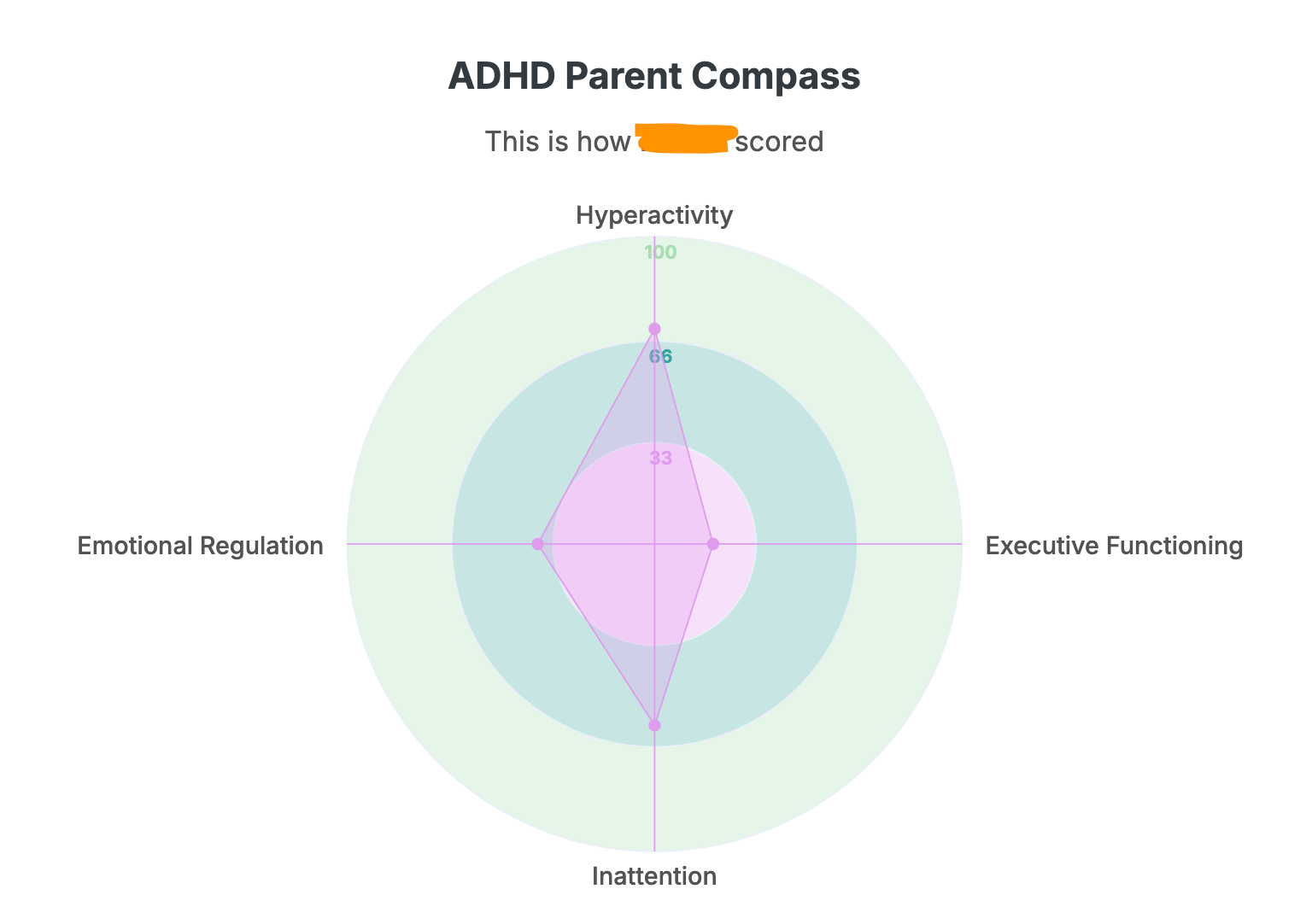
Take the ADHD Compass to get a full picture of where your child’s strengths and challenges lie across all 4 ADHD domain: hyperactivity, inattention, emotional regulation, and executive functioning…you’ll learn get loads of actionable information on how to help your child thrive.
Transcript: ADHD and Iron
Dr. Phil Boucher: Hey everyone. Welcome to the ADHD and Iron Workshop. This is gonna be a brief workshop where I talk about iron in particular because I find that a lot of families want to focus a little bit on nutrition when it comes to their child with ADHD, but aren’t sure where to start or have gotten burned because they got the vitamin off Instagram or TikTok.
They gave it for a week. They didn’t see a huge change. It’s sitting on the shelf in their medicine cabinet, and they just feel like I’m stuck. That didn’t work. I don’t know what to do.
When I started driving, I had a manual transmission car. It was a Honda Civic, and it was my first car and it was a manual transmission, and eventually I figured out how to not have it die when I pop the clutch to get into first.
But I’m driving it along and I’m with my dad in the car and I’m like, it doesn’t go faster than 16 miles per hour. What is the deal here? You actually have to shift gears to go from first to second, to third to fourth to fifth. There’s specific gears for starting out. There’s specific gears for when you’re just cruising, for going uphill and downhill.
Once I understood and could fine tune my approach, it actually became a much more useful vehicle. And the same way with our children is if we understand how their specific brain works and how their brain chemistry and their brain wiring and the areas of their brain are a little bit different, instead of constantly fighting and frustration, we can understand, okay, this is what’s going to really help our child to thrive.
With their specific brain wiring. And so what that looks like to me is focusing on three big pillars when it comes to the management of ADHD. It’s not just take your med, take your med. Is your med working long enough? Are you making it through the day? Are you too hyperactive or inattentive?
It’s instead, let’s focus on these big pillars. Biological foundations is an important pillar because if we don’t understand the biology and have the biology right, we can keep trying all sor


